
Last updated July 25, 2026
Air Duct Cleaning Permits, Codes & Inspections in CA: What You Need to Know
A duct liner replacement done without the required permit in California can complicate a home sale inspection years later - and the homeowner, not the contractor, is typically the one who has to resolve it. In Los Angeles, we’ve seen this scenario play out more than once: a family ready to close on their sale discovers unpermitted HVAC modifications from a “cleaning” job done a decade prior, now facing delays, penalties, or costly rework. This guide draws a clear line between routine air duct cleaning and the duct-related work that actually triggers California permit requirements, so you know what questions to ask before anyone opens your walls.
Quick Answer
Routine air duct cleaning in California does not require a building or mechanical permit. However, duct sealing, liner replacement, UV light installation, or any modification to your HVAC system’s airflow capacity may trigger permit requirements under the California Mechanical Code and local jurisdiction rules. Always ask your contractor to specify in writing whether your scope of work includes anything beyond cleaning.
Table of Contents
- What the California Mechanical Code Actually Says About Duct Work
- Permit-Required Work vs. Routine Maintenance: The Exact Line
- How Local Jurisdictions in California Add Their Own Layers
- Title 24 Energy Compliance: When Cleaning Crosses Into Certified Territory
- NADCA Standards vs. California Legal Requirements: They Are Not the Same
- How to Document Duct Work That Protects Your Real Estate Transaction
- Common Mistakes to Avoid
- When to Call a Professional
- Frequently Asked Questions
- The Bottom Line
What the California Mechanical Code Actually Says About Duct Work
The California Mechanical Code (CMC), based on the Uniform Mechanical Code with California amendments, governs all heating, ventilating, and air-conditioning systems in the state. When it comes to air ducts specifically, the code distinguishes between three categories of work: repair, alteration, and replacement.
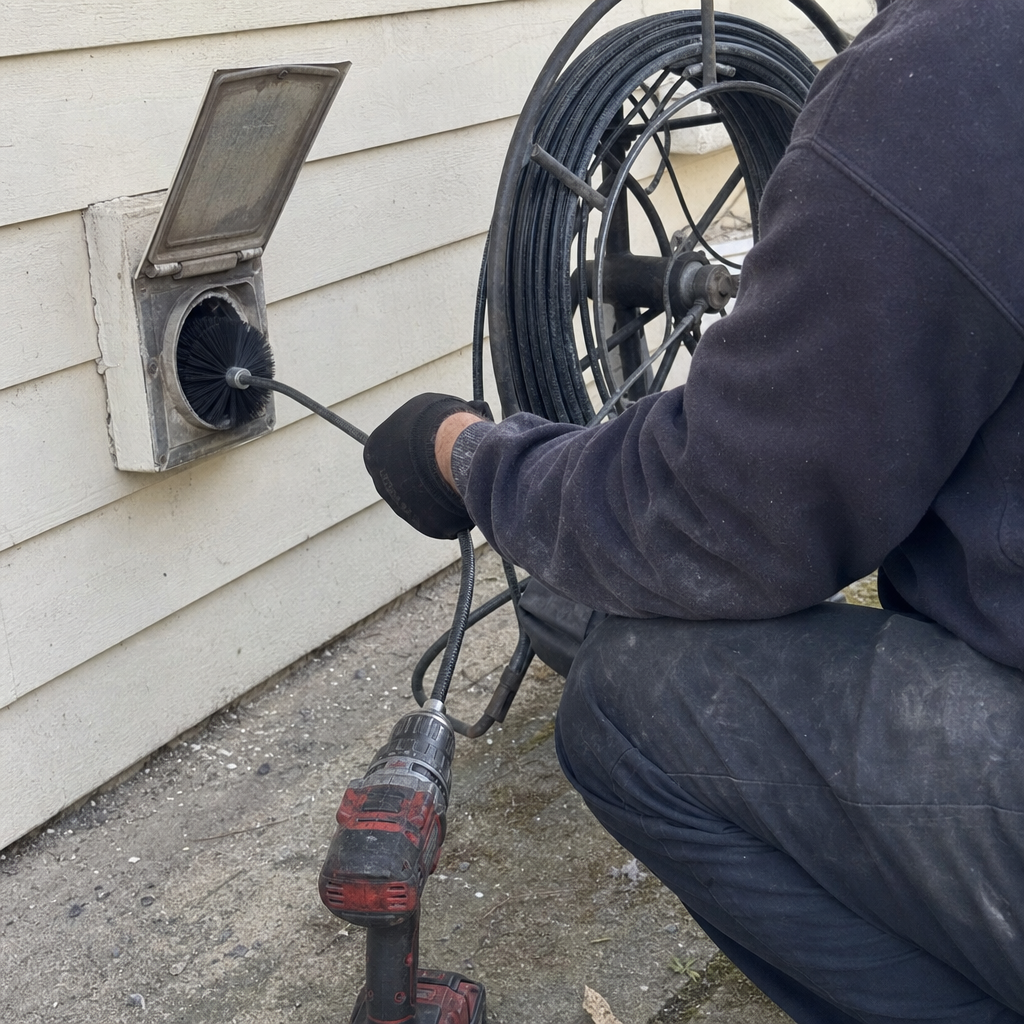
Here’s where most homeowners get tripped up. The CMC does not explicitly regulate “cleaning” as a construction activity. Removing dust, debris, and microbial growth from existing ductwork - what we do with Rotobrush and Nikro equipment on a typical Los Angeles job - falls outside permit territory because it does not change the system’s design, capacity, or structural integrity.
But the moment a contractor proposes to do any of the following, the permit threshold appears:
- Replacing or installing new duct liner or insulation
- Cutting into, extending, or rerouting existing duct runs
- Sealing duct joints with mastic or aerosol sealant in a way that changes system airflow (some jurisdictions interpret this as alteration)
- Installing UV germicidal lights, ionization devices, or other electrical components within the duct system
- Replacing flexible duct with rigid duct, or vice versa
- Modifying return air pathways or combustion air supplies
In Los Angeles, where many homes built between 1940 and 1980 still contain original galvanized steel ductwork with degraded liner, the distinction matters. We’ve opened systems in Mid-City and Eagle Rock where a previous “cleaning” company had torn out deteriorated liner without pulling a permit, leaving exposed metal that sweats condensation and rusts. The work wasn’t illegal because it was dirty. It was problematic because unpermitted liner removal can violate fire safety standards for exposed duct materials in certain wall assemblies.
The CMC also references NFPA 90A and 90B standards for duct construction and materials. If your home has a fire-rated wall or ceiling penetration, any work that disturbs those assemblies requires inspection. A cleaner who doesn’t know this - or doesn’t ask - can create a compliance gap that sits invisible until a home inspector finds it.
Permit-Required Work vs. Routine Maintenance: The Exact Line
California’s building departments operate on a practical principle: maintenance preserves what exists; construction changes what exists. The permit line sits at the boundary between those two ideas.
Work That Does NOT Require a Permit (Routine Maintenance)
- Mechanical cleaning of interior duct surfaces using brushes, compressed air, or vacuum extraction - this includes agitation devices like the Rotobrush systems we deploy on Los Angeles jobs
- Dryer vent cleaning from the appliance connection to the exterior termination, provided no duct material is replaced
- Register and grille removal for access cleaning, with reinstallation in the same location
- Application of EPA-registered sanitizers to existing duct interiors, provided no physical modification occurs
- Filter replacement and basic blower compartment cleaning within the manufacturer’s service guidelines
Work That DOES Require a Permit (Alteration or Replacement)
- Duct sealing that involves closing or modifying joints in a way that changes the original design airflow - particularly relevant in Title 24 compliance zones
- Any liner replacement or repair, including spray-applied duct liner products
- Installation of electronic air cleaners, UV systems, or powered ventilators within ductwork
- Duct resizing or rerouting to accommodate remodeling or room additions
- Replacement of ductwork in its entirety or in sections exceeding 50% of a system run (some jurisdictions use this threshold; others require permits for any replacement)
The 50% replacement threshold is where Los Angeles homeowners specifically need clarity. The City of Los Angeles Department of Building and Safety (LADBS) generally requires a mechanical permit for duct replacement exceeding 50% of any single system run. LA County, meanwhile, may interpret “substantial replacement” differently depending on the unincorporated area. We’ve encountered situations in Baldwin Hills where a homeowner replaced ductwork in a 1960s ranch house without permits, then faced a compliance order during a kitchen remodel years later when the new work triggered a full home inspection.
The safest practice: if a contractor proposes anything beyond cleaning and sanitizing, ask two questions. “Does this scope require a mechanical permit?” And “Will you pull it, or do I need to?” A contractor who deflects or says “we never bother with permits for this” is telling you something about how they operate.
How Local Jurisdictions in California Add Their Own Layers
California operates under a layered code system. The state sets the floor through the California Mechanical Code, but cities and counties can adopt more restrictive amendments. For duct work, this creates real variation that matters for Los Angeles homeowners.
City of Los Angeles (LADBS): Requires mechanical permits for duct sealing when performed as standalone energy-efficiency work, particularly when tied to HERS (Home Energy Rating System) compliance. LADBS also mandates inspection of any duct work in high-rise residential buildings, defined as four stories or more. If you live in a Wilshire Corridor condo or Downtown LA loft, your duct cleaning vendor may need to coordinate with building management on access and inspection protocols even for routine maintenance.
Los Angeles County (unincorporated areas): Uses the same CMC base but adds specific requirements for wildland-urban interface zones. In areas like Topanga or parts of the Santa Monica Mountains, duct modifications may trigger additional fire department review if they involve combustion air supplies or exterior penetrations.
Other California jurisdictions with notable duct requirements:
- San Diego: Requires permits for any duct replacement in homes with asbestos-containing transite ductwork, common in 1950s-70s construction
- San Francisco: Historic building overlay can require additional review for any visible duct modification in designated structures
- Sacramento County: Aggressive enforcement of Title 24 duct sealing requirements for new HVAC installations, with mandatory HERS verification
The practical implication: a duct cleaning company working across multiple LA neighborhoods needs to know whether your specific address falls under city or county jurisdiction, and whether any overlay districts apply. At Bellows Air Duct & Vent Co. home, we maintain current permit requirement references for every jurisdiction we serve. When we arrive at a home in Los Feliz versus one in unincorporated Florence-Graham, we’re working with different rule sets even though both addresses say “Los Angeles” on the mailing label.
One specific Los Angeles wrinkle: the city’s Green Building Code amendments require duct leakage testing for new HVAC systems and substantial duct replacements. If your “cleaning” job evolves into a sealing or replacement project, that testing requirement may activate. A contractor who doesn’t account for it in their scope and pricing is either uninformed or planning to skip compliance steps.
Title 24 Energy Compliance: When Cleaning Crosses Into Certified Territory
Title 24, Part 6 of the California Code of Regulations governs energy efficiency in buildings. For duct work, its most relevant provision is the requirement that new and altered duct systems meet maximum leakage rates, verified through HERS testing in most climate zones.
Los Angeles sits primarily in Climate Zone 9 (coastal) and Climate Zone 10 (inland valleys), with different leakage thresholds applying to each. The Title 24 compliance trigger is not cleaning - it’s “alteration.” But here’s where the line blurs in practice.
When a contractor performs duct sealing using aerosol-based methods or substantial mastic application, some building officials interpret this as alteration requiring HERS verification. The reasoning: if you’re changing the system’s leakage characteristics, you’re changing its energy performance, and Title 24 requires documentation of that change.
We’ve seen this specifically in:
- Energy-upgrade programs where homeowners receive rebates for duct sealing - the rebate itself often requires permit and HERS documentation
- Solar panel installations where the contractor bundles duct sealing as part of a whole-home efficiency package
- Utility-sponsored programs through Southern California Edison or LADWP that subsidize duct improvements
The critical distinction for homeowners: routine cleaning does not trigger Title 24. But if your contractor proposes sealing as an add-on service, ask whether that sealing requires HERS verification and who will coordinate it. In our experience across Los Angeles, the contractors most likely to skip this step are the ones offering “whole house duct sealing” as a same-day upsell without mentioning permits, testing, or documentation.
At Bellows, our scope is cleaning, repair, and sanitizing. When we identify duct leakage that warrants sealing, we explain the Title 24 implications and refer you to a licensed C-20 contractor who can pull the proper permit and manage HERS compliance. We don’t blur that line because we’ve seen what happens when it’s blurred: homeowners stuck with rebate clawbacks, failed inspections, or systems that don’t perform as promised.
NADCA Standards vs. California Legal Requirements: They Are Not the Same
The National Air Duct Cleaners Association (NADCA) publishes the industry’s most widely respected standards for duct cleaning: ACR 2021 (Assessment, Cleaning, and Restoration of HVAC Systems) and the NADCA Standard 2021. These are voluntary industry guidelines, not California law. Understanding the difference protects you from contractors who imply NADCA membership satisfies all regulatory requirements.
NADCA standards cover:
- Proper cleaning methodology and equipment specifications
- Technician training and certification requirements
- Post-cleaning verification through visual inspection or debris measurement
- Consumer protection practices including scope documentation
California legal requirements cover:
- Permit compliance for regulated work
- Contractor licensing through the Contractors State License Board (CSLB) - specifically C-20 (Warm-Air Heating, Ventilating and Air-Conditioning) or B (General Building) with appropriate specialty
- Workers’ compensation and liability insurance
- Title 24 energy compliance where triggered
- Fire safety and materials standards referenced in the CMC
A contractor can be NADCA-certified and fully compliant with industry best practices while still performing unpermitted work that violates California law. Conversely, a contractor can pull every required permit while delivering substandard cleaning that wouldn’t pass NADCA verification.
In Los Angeles, we’ve encountered both types. The more common problem is the NADCA-certified operator who treats permit requirements as someone else’s problem - “we’re cleaners, not contractors” - while performing liner replacement or UV installation that absolutely requires CSLB licensure and mechanical permits.
Our approach at Bellows: we follow NADCA methodology for cleaning scope and documentation, using equipment from Abatement Technologies and Guardsman that meets or exceeds NADCA equipment standards. But we also stay within our CSLB license classification and pull permits when any element of the job crosses into regulated territory. The camera inspection we perform before and after every job serves both purposes - it documents NADCA-compliant cleaning results, and it creates a visual record of whether any physical modification occurred that might trigger permit questions later.
How to Document Duct Work That Protects Your Real Estate Transaction
Los Angeles real estate moves fast until it doesn’t. A home sale can stall for weeks over permit discrepancies discovered in a buyer’s inspection. Here’s how to document your duct work defensively, whether you just had cleaning done or you’re reviewing past work before listing.
Step 1: Request Written Scope Definition
Before work begins, your contractor should provide a written statement specifying exactly what will be done. Not “clean the ducts” - that’s too vague. The scope should itemize: number of supply and return runs accessed, cleaning methods and equipment to be used, any proposed repairs or modifications, and explicit confirmation that the work described falls within routine maintenance not requiring permits.
Step 2: Photograph Before and After Conditions
Visual documentation is your strongest defense. If your contractor doesn’t provide it, use your phone. Capture: the condition of accessible ductwork before work, the work in progress if visible, and the completed condition. Focus on any areas where liner condition, joint sealing, or physical modifications are visible.
Step 3: Obtain and Retain the Invoice with Scope Details
The invoice should match the pre-work scope statement exactly. Any deviation - “we ended up replacing some liner” - without corresponding permit documentation is a red flag. Keep these records for the life of your homeownership plus seven years, which covers most real estate lookback periods.
Step 4: Verify Contractor License and Insurance
Check the CSLB website for current license status. Confirm the license classification matches the work performed. For duct cleaning only, a valid business license and general liability insurance may suffice. For any modification, repair, or installation work, C-20 or appropriate specialty licensure is required.
Step 5: Request Permit Documentation for Any Regulated Work
If your contractor performed work they acknowledged as permit-required, you should receive: the permit application copy, inspection sign-off documentation, and final approval. In Los Angeles, you can also verify permit status through the LADBS online portal using your property address.
We’ve consulted with homeowners in Silver Lake and Highland Park who discovered unpermitted duct modifications during pre-sale inspections. In every case, the original work was performed by a company that either didn’t know the requirements or chose not to mention them. The cost to remediate - pulling permits retroactively, opening walls for inspection, potential rework - far exceeded what proper permitting would have cost originally.
Common Mistakes to Avoid
- Assuming “cleaning” covers everything a contractor does inside your ducts. In Los Angeles, we’ve seen companies use “cleaning” as a catch-all term while performing liner removal, duct patching, and even partial replacement. Always ask for the specific scope in writing.
- Accepting verbal assurance that permits “aren’t needed for this.” California contractors who routinely skip permits often have a ready excuse. Verify independently through your local building department, especially in LA County’s varied jurisdictions.
- Confusing NADCA membership with legal compliance. NADCA certification indicates training and methodology standards. It does not mean a contractor understands or follows California mechanical permit requirements.
- Neglecting to document “routine” maintenance. Even genuine cleaning jobs benefit from documentation. An invoice with scope details and date establishes a baseline if questions arise during future transactions.
- Allowing bundled services to obscure permit triggers. When a contractor packages cleaning with “energy sealing” or “duct restoration,” the permit-requiring elements can get buried in marketing language. Itemize and verify each component separately.
- Ignoring the CSLB license classification. A C-61/D49 (Limited Specialty) license does not authorize duct modification or HVAC work. For regulated duct work, insist on C-20 or appropriate classification.
- Waiting until sale time to discover problems. If you’ve had duct work performed in the past decade and lack documentation, consider a proactive review before listing your Los Angeles property. Addressing questions on your timeline is always less expensive than under transaction pressure.
When to Call a Professional
Call a licensed professional when your duct situation involves any of the following: visible mold growth requiring remediation protocol, asbestos-suspect materials in older ductwork (common in pre-1980 Los Angeles construction), ductwork that has collapsed or separated requiring physical repair, or any proposal from a cleaner that includes sealing, liner work, or equipment installation. If you’re uncertain whether past work was properly permitted, a consultation with a C-20 contractor can clarify your status before it becomes a transaction problem.
Air Duct Cleaning in Seymour and surrounding communities is part of our service network, but our Los Angeles operations remain our foundation. Bellows Air Duct & Vent Co. offers free estimates in Los Angeles - call (844) 685-6342. We’ll assess your system, explain what your specific situation requires, and document our findings with the camera inspection that accompanies every job. If your needs extend into permit-requiring territory, we’ll tell you plainly and connect you with the right licensed resource.
Frequently Asked Questions
No. Mechanical cleaning of existing ductwork - removing dust, debris, and contaminants with brushes, vacuums, or compressed air - is classified as maintenance, not construction, and does not require a building or mechanical permit anywhere in California. Call (844) 685-6342 if you’d like us to assess what your system actually needs.
In Los Angeles, permits are generally required for duct liner replacement, duct sealing performed as standalone energy-efficiency work, UV light or electronic air cleaner installation, and any duct replacement exceeding 50% of a system run. The City of Los Angeles also mandates additional inspection protocols for duct work in high-rise residential buildings. Your specific address determines whether city or county rules apply.
Check the Los Angeles Department of Building and Safety online permit history by property address, or contact your local building department directly. For work performed without permits, you may be able to pull permits retroactively, though this typically requires opening walls for inspection and can be costly. Documentation from the original contractor helps, but many homeowners find that companies who skipped permits also kept poor records.
No. NADCA certification verifies training in cleaning methodology and industry standards. It does not confirm that a contractor holds required CSLB licensure, carries adequate insurance, or understands California mechanical permit requirements. Verify both NADCA credentials and CSLB license status independently before hiring.
Yes. Los Angeles home inspectors routinely flag unpermitted HVAC modifications, and buyers’ lenders may require permit clearance before funding. The homeowner typically bears responsibility for resolving discrepancies, not the original contractor, especially if that contractor is no longer in business. We’ve seen sales delayed 30-60 days over unpermitted duct sealing that could have been permitted properly for a few hundred dollars.
Ask four specific questions: What is the exact scope of work you propose? Does any element require a mechanical permit, and if so, will you pull it? What is your CSLB license number and classification? Will you provide before-and-after documentation of the work performed? A contractor who hesitates on any of these questions is signaling how they operate. At Bellows, we answer every question directly - it’s how we’ve worked since 1984.
The Bottom Line
Air duct cleaning itself lives in the maintenance lane, free of permit requirements. But the services often bundled with it - sealing, liner work, equipment installation - can cross into regulated territory that demands proper licensure, permits, and inspection. In Los Angeles, where local jurisdictions layer additional requirements atop state code, the difference matters for your immediate safety, your system’s performance, and your future real estate transactions. Ask specific questions. Demand written scopes. Verify credentials independently. And keep records that protect you long after the truck leaves your driveway. The square deal isn’t just about price - it’s about knowing exactly what was done, by whom, and whether it was done right.
Written by the team at Bellows Air Duct & Vent Co., serving Los Angeles since 2012.